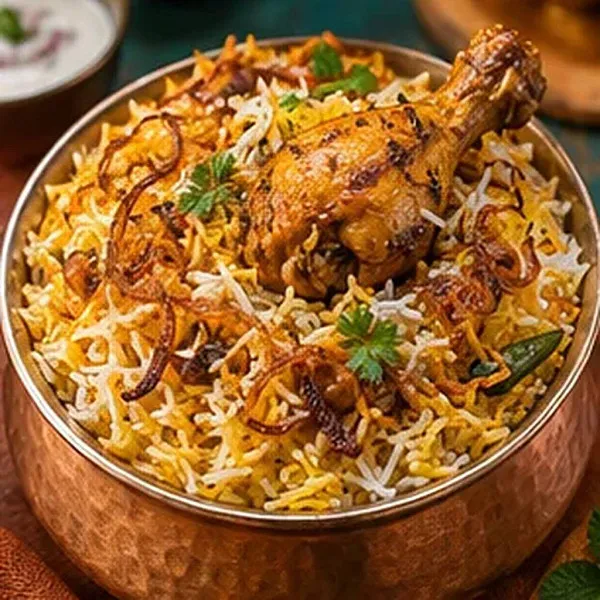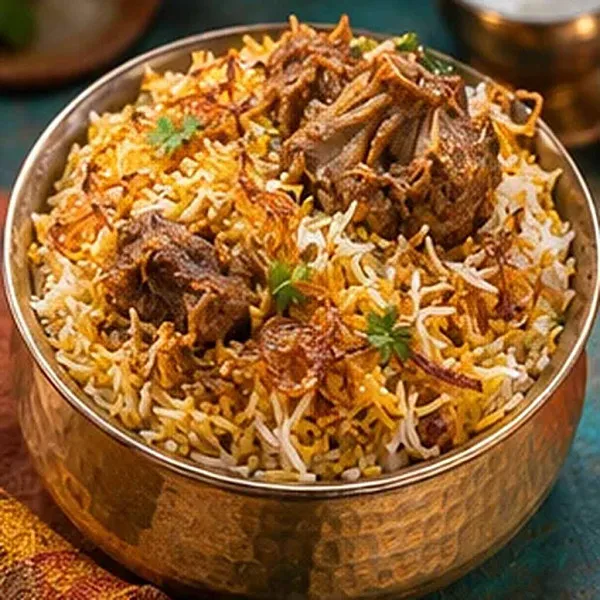
This is Hyderabad, so most people already know what they want: biryani. But our biryani and pulao menu has more on it than biryani, and the pulaos are a different thing, not a cheaper version. Here's how they differ and how to pick.
What's the difference?
Both are rice cooked with spices. The difference is in how the flavour gets into the rice.
- Biryani is built in layers. Meat or vegetables are marinated and cooked in a spiced masala, then layered with part-cooked rice, fried onions and mint, and the whole pot is cooked together so the rice soaks up the masala. You get pockets of more and less spice, and the rice is the star as much as the meat.
- Pulao is cooked in one go. The rice is cooked with the vegetables, whole spices and any flavouring (a broth, a paste, a sour soup) all at once, so every grain tastes much the same. It's usually lighter and milder than biryani, and it goes well with a curry on the side, which biryani doesn't need.
A simple way to decide: biryani is a meal on its own; pulao is the rice in a meal.
Our three biryanis
All three are made Hyderabadi-style: marinated, layered with long-grain basmati and fried onions, and cooked together.
- Hyderabadi chicken biryani is the one most people order. Chicken marinated in curd, chilli, mint and spices. Fragrant and medium-spicy.
- Mutton biryani is richer. The mutton is cooked until tender before it's layered, so it takes longer to make and has a deeper flavour. Good for a weekend or a celebration.
- Veg biryani is a proper biryani for vegetarians, not pulao with a new name. Mixed vegetables in a spiced curd and mint masala, layered and cooked the same way.
Our pulaos and flavoured rice
These are the ones to look at if you want a curry with your rice, or if biryani feels too heavy.
- Veg pulao: basmati with carrot, beans, peas and whole spices. Mild, and the easiest partner for dal makhani or paneer butter masala.
- Ulavacharu pulao: rice cooked in ulavacharu, the thick, tangy horse gram soup Andhra is known for. Earthy and tangy, and unlike anything else on the menu. Order it if you like trying new things.
- Pachimirchi pulao: pachimirchi is Telugu for green chilli, and that tells you what to expect. Fresh, fragrant and properly hot.
- Jeera rice: basmati with cumin fried in ghee. Not spicy. The default rice for North Indian curries.
- Steamed rice: plain steamed basmati. The plainest partner for a curry or dal, and the one to pick when the curry should do all the talking.
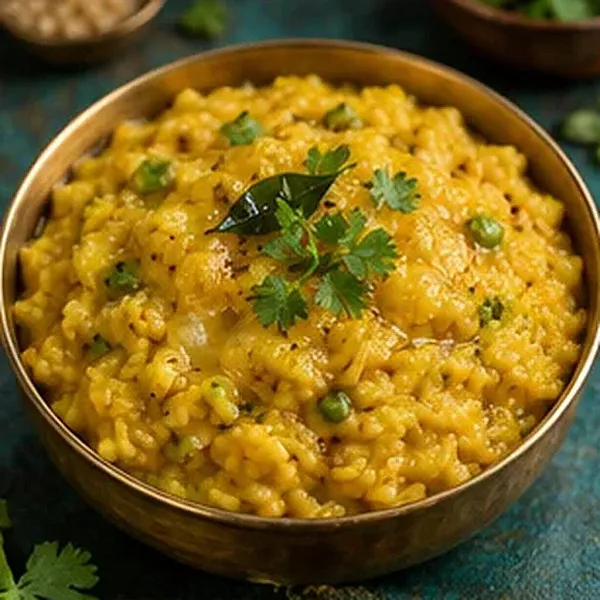
- Yellow dal khichdi: rice and yellow lentils cooked together with ghee and cumin. Not a pulao, but the gentlest rice dish we make, for the days you want something light. Our guide to light meals has more ideas.
If you like flavoured rice, the Andhra rice section goes much further, with pulihora, gongura rice, vangi bath and more. Our Andhra rice guide explains each one.
If you'd rather your rice came wok-tossed, our Indo-Chinese menu has chicken fried rice, one of our chef's specials, along with veg fried rice and a fiery Schezwan fried rice.
What to eat with biryani
Biryani doesn't need much, but these make it better:
- Something cooling: boondi raita, mixed raita or plain curd.
- Something crunchy: onion salad, or a fried starter like chicken 65 or gobi 65.
- Something to drink: salted lassi or buttermilk.
- Something sweet after: double ka meetha, Hyderabad's bread pudding. Our guide to our desserts explains why it's the traditional end to a biryani meal.
What to eat with pulao
Pulao wants a curry. A few pairings that work:
- Veg pulao with dal makhani or kadai paneer.
- Jeera rice with butter chicken, dal tadka or mutton rogan josh.
- Ulavacharu pulao or pachimirchi pulao with plain curd and Andhra chicken curry or Andhra egg curry, if you want to keep it Andhra all the way.
Ordering for a group
For a team or a family, biryani is the easiest choice: one each, raita to share, and you're done. Order veg and non-veg separately so vegetarians aren't left picking around chicken. If you're feeding more than a handful of people, our bulk and office orders page helps you plan quantities, and our team lunch guide covers what to order.
You can order online for delivery around Gopanpally, Gachibowli, Nallagandla and Tellapur, or pick it up from our kitchen opposite Wipro 3.